The Snake River winds through one of the most spectacular mountain landscapes on the planet. With the Grand Tetons rising abruptly from the valley floor and moose wading through riverside willows, a float or rafting trip on the Snake ranks among the most memorable outdoor experiences available near Driggs. Whether you want a mellow scenic float with your kids or a heart-pumping whitewater run that has you holding on for dear life, the Snake River delivers — and it’s all accessible in a day trip from The Barn.
This guide covers everything you need to know about Snake River rafting near Driggs: the two main experiences, the best times to go, what to expect on the water, how to book, and how to make the most of a full day on the river.
Two Experiences, One Iconic River
The Snake River splits the experience cleanly into two options, each appealing to a different type of traveler. Understanding the difference sets expectations perfectly.
Scenic Float Trips (7-Mile Run)
The 7-mile scenic section runs through Grand Teton National Park, offering the most iconic views of the Tetons from water level. This is a Class I-II float — meaning calm water, minimal rapids, and suitable for children as young as 5 or 6 years old. The pace is gentle enough to watch for wildlife (moose, bald eagles, osprey, and the occasional bear on the bank) while taking in unobstructed Teton views that no road can replicate.
The 7-mile float typically takes 2-3 hours on the water, with most guided trips adding a shuttle, gear fitting, and naturalist commentary. It’s the perfect experience for mixed groups — young kids, older adults, non-athletic family members — where everyone participates equally without a fitness prerequisite.
Whitewater Rafting (8-Mile Run)
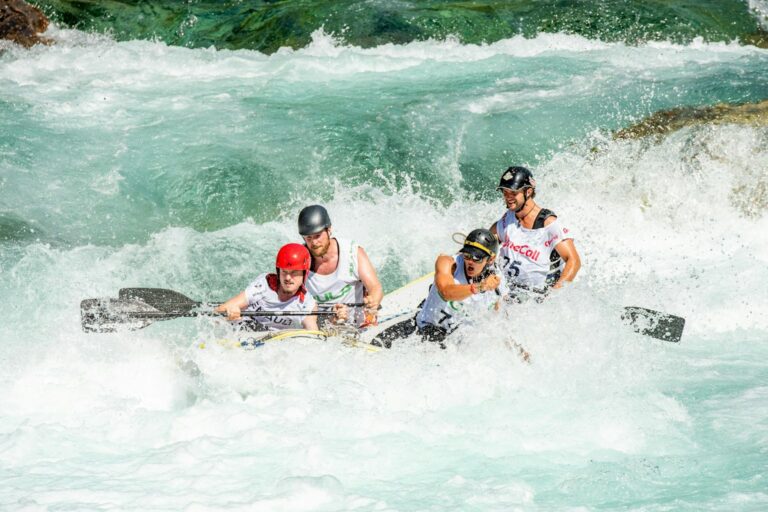
For those who want to get wet and work for it, the 8-mile whitewater section below Jackson Lake Dam delivers the adrenaline. This section features Class III rapids — significant waves and holes that require paddling, technique, and teamwork. You’ll get splashed, you might momentarily wonder what you signed up for, and you’ll emerge at the takeout grinning and planning your next run.
Most outfitters require participants to be at least 12 years old and comfortable in the water. No prior rafting experience is necessary — the guides are excellent and the pre-trip safety briefing covers everything you need. Plan for 3-4 hours total including shuttle and safety orientation.
Best Time to Go: Snake River Rafting by Month
The Snake River rafting season runs from late May through September, but conditions vary significantly by month. Understanding the seasonal arc helps you plan the right experience for your trip dates.
Late May – June: Peak Flows, Maximum Excitement
Spring runoff from the Tetons swells the Snake to its highest flows, turning the whitewater section into the most intense experience of the year. Class III rapids can push toward Class IV during peak runoff. This is prime time for experienced rafters and adventure-seekers. Scenic floats are still excellent, though the higher water makes the wildlife-spotting slightly more focused on the river itself rather than the banks.
Water temperatures are cold in late May — wetsuits are recommended for whitewater, provided by outfitters. Scenic floats are comfortable with proper layering.
July – August: The Sweet Spot
This is prime time for the Snake River experience. Flows have moderated, temperatures are warm enough for getting wet to be a feature rather than a hazard, and both the float and whitewater sections are running at their most accessible levels. Wildlife activity is high — moose with calves, bald eagles with juveniles learning to fish, and osprey diving along the shoreline.
July and August coincide with peak Teton Valley tourism, so book in advance. Popular departures with reputable outfitters fill up weeks ahead, especially on summer weekends.
September: The Hidden Gem
September might be the best-kept secret in Snake River rafting. Crowds thin dramatically after Labor Day, temperatures remain warm during the day (though evenings cool quickly), and the cottonwoods along the river banks begin their golden transformation. Wildlife activity peaks as animals prepare for winter — moose are highly visible in the willows, and the fall colors frame those iconic Teton views.
The whitewater section runs at lower flows in September, making it slightly mellower but still exciting — and far more accessible for families with younger teenagers. For the scenic float, September is arguably the most beautiful month of the entire season.
Rafting from Driggs: Logistics Made Easy
From The Barn in Driggs, the primary Snake River put-in points are about 45-60 minutes by car — a beautiful drive through Teton Pass or around through Victor, depending on which section you’re running. Most guided trips include shuttle service, meaning you drive to the outfitter’s base, gear up, and they handle the river logistics entirely.
The most common base of operations for Snake River trips is the Jackson area, where the majority of licensed outfitters operate. From The Barn, you drive south through Teton Valley, cross into Wyoming via the Victor-Jackson corridor, and you’re at the river in under an hour. It’s a perfect day trip — leave by 8 AM, hit the water by 9:30 or 10, back in Driggs by early afternoon with the whole rest of the day ahead of you.
What to Expect on the Water
Wildlife You’ll Likely See
The Snake River corridor through Grand Teton National Park is one of the best wildlife viewing areas in the entire Greater Yellowstone Ecosystem. From the water, you have a perspective that road-based visitors simply don’t get. Common sightings include:
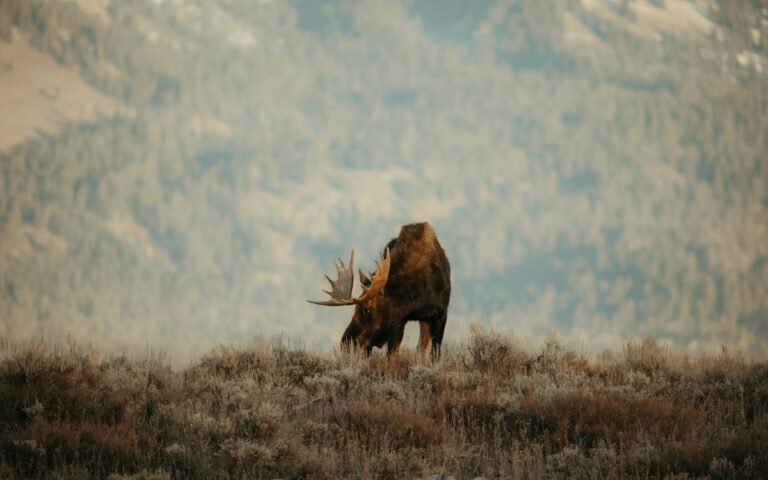
- Moose — Almost guaranteed in the willow flats, especially in the morning. The Snake River bottom is prime moose habitat.
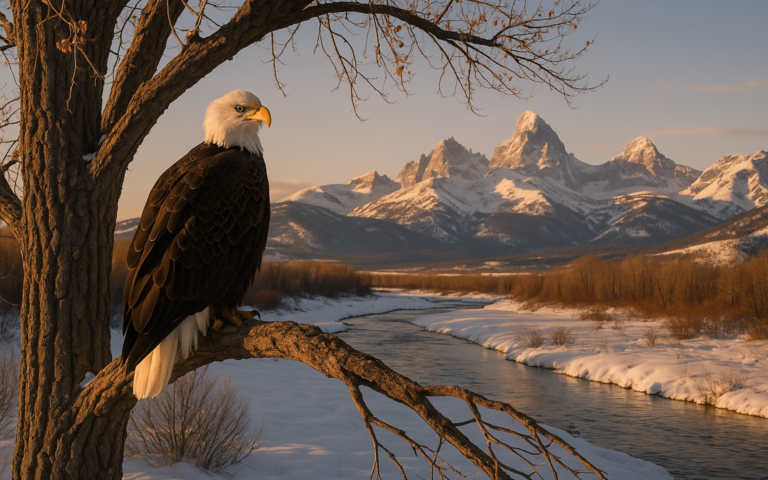
- Bald Eagles — Nesting pairs along the river; juveniles learning to fish in late summer are particularly fun to watch.
- Osprey — Frequent divers, incredibly skilled fishers. Watching an osprey enter the water feet-first and come up with a fish is a genuine highlight.
- Great Blue Herons — Statuesque, patient hunters standing motionless in the shallows.
- River Otters — Less common but present in the Snake; sightings are a trip highlight when they happen.
- Mule Deer — Frequently visible on the riverbanks, particularly in early morning and evening.
What to Bring
- Quick-dry clothing. Even on scenic floats, you may get splashed. Cotton stays wet and cold; synthetic or wool dries fast.
- Water shoes or sport sandals. You’ll wade in at put-in and takeout; Chacos or similar strapped sandals are ideal.
- Waterproof sunscreen. You’re on the water for 2-4 hours with the Teton sun reflecting off the river.
- Dry bag for valuables. Most outfitters provide these or have a dry box in the raft, but having your own for camera, phone, and keys is smart.
- Layers. Mornings on the river can be cool even in summer; the canyon shade adds 10 degrees of chill.
- Change of clothes for after. You will be wet. Having dry clothes at the car is a simple thing that dramatically improves the post-trip experience.
Combining Rafting with Other Teton Activities
One of the best things about a Snake River trip is how naturally it combines with other Teton Valley and Grand Teton National Park activities. Since you’re already in the Jackson area, consider pairing your rafting trip with:
- A Grand Teton wildlife safari. Morning rafting followed by an evening wildlife tour is a perfect combination — you’re covering the river corridor by boat and the park roads by vehicle, dramatically increasing your chances of seeing the full range of Teton wildlife.
- The Teton Village area. After your float, the gondola at Jackson Hole Mountain Resort operates in summer for scenic rides and hiking access. Combine a morning float with an afternoon mountain excursion.
- Jenny Lake. Just north of the main float section, Jenny Lake’s boat shuttle to Hidden Falls and Inspiration Point is a perfect complement to a morning on the river.
Book Your Snake River Adventure
Pre-booking is strongly recommended, especially for July and August trips. Here are some well-reviewed options to get you on the water:
- 🛶 Snake River Scenic Float (7-Mile, Family-Friendly) — The classic Teton views float, narrated by an expert guide. Perfect for all ages and experience levels.
- 🌊 Snake River Whitewater Rafting (8-Mile) — Class III rapids and guaranteed splashing. Best for groups ages 12+ looking for the full adventure experience.
- 🦌 Grand Teton Sunset Wildlife Tour — Pair your river morning with a guided wildlife tour for the complete Teton Valley experience.
Your Base Camp for Teton Adventures
The Snake River is one of those rare places where the experience actually lives up to the Instagram photos. But to truly enjoy a day on the water, you want a home base that makes the logistics easy — somewhere with space to spread out, rinse your gear, and gather the group for stories over dinner.
That’s what The Barn is built for. Eight bedrooms and four bathrooms accommodate groups up to 14 comfortably, with enough space that a big day of outdoor adventure doesn’t create a bottleneck at the shower. We’re pet-friendly for the river dogs in your crew, and walking distance to Driggs’ best restaurants for post-adventure dinners that don’t require anyone to drive.
The Snake River is a day trip away. Book The Barn and build your Teton Valley adventure around it — the river will be waiting.
Frequently Asked Questions
Do I need prior rafting experience for the Snake River?
No experience is required for either the scenic float or the guided whitewater trip. Guides provide all safety instruction and coach you through any technical sections. The scenic float has no rapids at all; the whitewater is Class III, which is exciting but well within the capability of fit adults and teenagers with proper guidance.
How far is the Snake River from Driggs?
The main put-in areas for guided trips are 45-60 minutes from Driggs, depending on which section you’re running and which outfitter you use. Most trips operate out of the Jackson area, accessed via the Victor-Jackson corridor or over Teton Pass.
Can kids do the whitewater rafting?
Most outfitters require children to be at least 12 years old for the Class III whitewater section, and many recommend a minimum weight requirement as well. For younger kids (ages 5+), the 7-mile scenic float is an excellent choice that still offers an authentic river experience with wildlife and Teton views.
What’s the best month for Snake River rafting?
For families, July is the sweet spot — warm temperatures, moderate flows, and peak wildlife activity. For adventure-seekers who want maximum whitewater, June’s high-water flows offer the biggest rides. For a quieter, arguably more beautiful experience, September’s fall colors and thinned crowds make it a sleeper favorite.