Spring transforms Grand Teton National Park into something magical. As snow recedes from the valley floor and temperatures moderate, the park’s wildlife responds with one of nature’s most spectacular shows: baby season. Moose calves take their first wobbly steps. Bison calves bounce through meadows with exuberant energy. Bear cubs emerge from dens, experiencing the world for the first time. For wildlife enthusiasts, photographers, and families seeking authentic nature experiences, spring in Grand Teton offers unmatched opportunities to witness life at its most vulnerable and adorable.
Why Spring is Prime Wildlife Season
Grand Teton wildlife spring activity peaks for several reasons. After months of winter scarcity, animals concentrate on the emerging green vegetation in the valley. Predators follow prey, creating dynamic interactions. And most dramatically, the annual cycle of birth brings babies into the world just as conditions become survivable.
The timing varies by species, but generally:
Bears: Cubs emerge from dens in March and April, often weighing just 5-10 pounds after nursing in the den all winter. Mother bears are protective and visible as they teach cubs to forage.
Bison: Calving peaks in late April and May. The “red dogs” (newborn bison are orange-red before darkening) bounce through meadows with infectious energy.
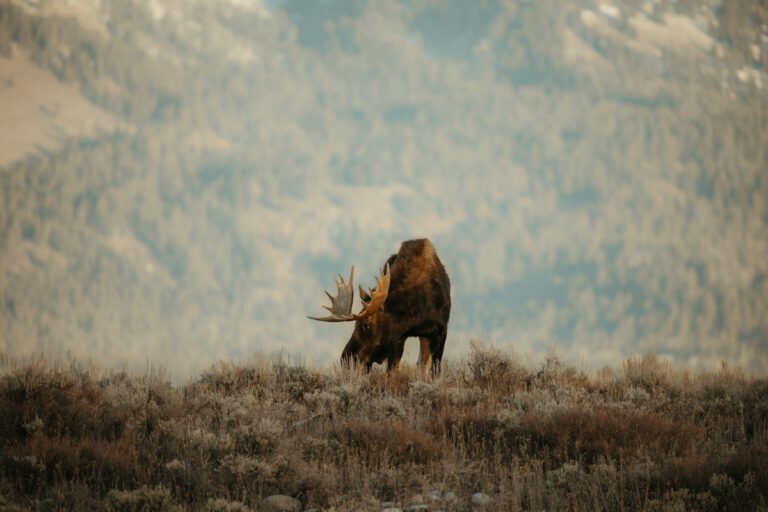
Moose: Calves arrive in late May and June. Gangly and awkward, they stay close to protective mothers in willow thickets.
Elk: Calving in late May and early June. Mothers seek seclusion in dense vegetation, making sightings special when they occur.
Wolves: Pups emerge from dens in May and June. Pack activity increases as adults hunt to feed growing youngsters.
Where to Watch: Best Viewing Locations
Moose-Wilson Road
This narrow, winding road offers the most consistent wildlife viewing in the park. Moose frequent the willow thickets and wetlands along the road, often visible from your vehicle. Bears regularly patrol this corridor, especially in spring when new vegetation attracts them to lower elevations.
Early morning and evening offer the best chances. Drive slowly, watch for “wildlife jams” (clusters of parked cars indicate sightings), and be prepared to stop for animals crossing the road. The road is partially closed in winter but typically fully opens by May.
Oxbow Bend
Arguably the most photographed location in Grand Teton National Park, Oxbow Bend delivers both wildlife and scenery. The oxbow of the Snake River attracts waterfowl, moose, and often bears. The reflection of Mount Moran in the calm water creates iconic photo opportunities.
Spring brings migrating birds to Oxbow Bend. White pelicans, trumpeter swans, and various duck species rest here during migration. Moose frequently feed in the willows along the shore. Dawn and dusk provide the best light and most active wildlife.
Willow Flats
Located between Jackson Lake Junction and Colter Bay, Willow Flats offers expansive meadows where bison, elk, and moose graze. The flat terrain makes wildlife visible from great distances, and the backdrop of the Teton Range creates stunning photographic compositions.
In spring, Willow Flats becomes a nursery. Bison calves cavort while mothers graze nearby. The open terrain allows you to observe natural behavior without disturbing the animals.
Jenny Lake Area
The forests and meadows around Jenny Lake host diverse wildlife. Moose frequent the marshy areas near the lake outlet. Bears forage in the surrounding forests. Pikas and marmots inhabit the rocky areas at higher elevations.
The Jenny Lake Loop Road provides access to various habitats. Combine wildlife watching with the scenic beauty of one of the park’s most popular destinations.
Antelope Flats and Kelly
The sagebrush flats east of the main Teton Range offer different wildlife than the forested areas. Pronghorn antelope, bison herds, and coyotes frequent these open landscapes. The historic barns of Mormon Row provide iconic photo compositions with wildlife and mountains.
When to Go: Timing Your Wildlife Safari
Wildlife follows daily patterns that smart observers can use to their advantage:
Dawn (5:00-8:00 AM): The golden hour for wildlife. Animals are most active after the night’s rest, feeding and moving before the day’s heat. Predators hunt. Ungulates graze. The soft light enhances photography.
Midday (10:00 AM-4:00 PM): Generally slower for wildlife. Many animals retreat to shade and rest. This is a good time for scenic photography or exploring visitor centers.
Dusk (5:00-8:00 PM): The other golden hour. Animals become active again as temperatures cool. Predators begin hunting. The lighting becomes magical for photography.
Night: Predators hunt. Owls call. If you’re willing to stay out after dark (following park regulations), you might hear coyotes or wolves.
Guided Wildlife Safaris
For visitors wanting expert guidance, local outfitters offer wildlife safari tours that maximize viewing opportunities. Professional guides know recent sightings, understand animal behavior, and have optics that enhance the experience.
Guided tours typically use comfortable vehicles designed for wildlife viewing. Spotting scopes allow detailed observation from safe distances. Guides provide context about behavior, ecology, and conservation challenges.
Many safari tours operate during the prime dawn and dusk hours, picking guests up before sunrise and returning after sunset. These extended hours dramatically increase wildlife encounter chances.
Photography Tips
Capturing wildlife photos worth keeping requires preparation and patience:
Telephoto Lenses: Wildlife photography demands long lenses. A 300mm lens is the minimum; 400-600mm is ideal. Teleconverters can extend reach but reduce light-gathering ability.
Patience Wins: The best wildlife photographers spend hours waiting for perfect moments. Find a promising location and let the animals come to you.
Light Direction: Early morning and late afternoon provide warm, directional light that enhances photos. Avoid harsh midday lighting when possible.
Background Awareness: The stunning Teton backdrop elevates wildlife photos from documentary to art. Compose shots that include both animal and landscape context.
Focus on Eyes: Sharp eyes make wildlife photos. Ensure your autofocus locks on the animal’s eyes, not the surrounding vegetation.
Safety: Respecting Wildlife and Staying Safe
Wildlife viewing carries inherent risks that responsible visitors manage through awareness and distance:
Minimum Distances: Park regulations require staying 100 yards from bears and wolves, 25 yards from other wildlife. These aren’t suggestions—they’re safety requirements backed by law.
Mother Animals: Spring brings protective mothers with young. Moose cows, bear sows, and bison cows are particularly dangerous when with offspring. Give them extra space.
Never Approach: Use binoculars and telephoto lenses to bring animals close visually. Never attempt to approach for better photos or interaction.
Follow Ranger Instructions: Park rangers manage wildlife jams and safety situations. Follow their directions immediately.
Car Bear Spray: When hiking in bear country, carry bear spray and know how to use it. Make noise to avoid surprising animals.
Getting There from The Barn
The Barn’s location in Driggs provides strategic access to Grand Teton National Park:
To Park Entrance: Approximately 45 minutes to the northern park boundary via Highway 33 and Highway 191.
To Moose-Wilson Road: About 1 hour via Highway 191 through Jackson.
To Oxbow Bend: Approximately 1 hour 15 minutes via Highway 191.
These drive times make day trips entirely feasible. Leave The Barn before dawn, spend the prime morning hours in the park, and return for afternoon relaxation or exploration.
The Barn: Your Wildlife Adventure Base
Early morning wildlife watching demands comfortable accommodations that support adventure schedules:
Pre-Dawn Departure Support: Early alarms are easier when you have space to prepare without waking others. Multiple bathrooms prevent morning bottlenecks.
Post-Excursion Recovery: Return from wildlife watching to comfortable living spaces. Review photos on large screens. Share stories from the day’s encounters.
Flexible Dining: Pack breakfast for the car. Prepare lunch to eat during midday breaks in the park. Return for proper dinners without restaurant hunting.
Equipment Storage: Spotting scopes, camera gear, and binoculars need safe storage. The Barn provides space for expensive equipment.
Strategic Location: After full days in the park, return to Driggs rather than fighting crowds in Jackson. The Barn offers peace and space that national park accommodations can’t match.
Experience Spring Baby Season
There’s something primal about watching a moose calf take its first steps, or witnessing a bear sow teaching her cubs to forage. These moments connect us to wildness in ways that zoos and nature documentaries cannot replicate. Grand Teton’s spring baby season offers these authentic encounters in one of America’s most beautiful landscapes.
Ready to witness the miracle of spring in the Tetons? Book your wildlife adventure stay at The Barn and discover why the combination of baby animals and mountain grandeur creates memories that last lifetimes.