Yellowstone National Park is one of the most extraordinary places on the planet, and from Driggs it is closer than most people realize. At about 1.5 hours from The Barn via the Idaho side approach, a full day in Yellowstone is genuinely doable — and deeply worth it. Here is everything you need to plan a great trip from your Teton Valley base.
Getting There: The Idaho Side Approach
Most visitors approach Yellowstone from the north or from Jackson to the south. Coming from Driggs, the most direct route takes you west through Idaho Falls and up through Ashton to the West Entrance at West Yellowstone, Montana. This is roughly 1.5 hours depending on conditions and time of year.
An alternative, especially in summer, is heading north through Tetonia and into Montana via US-20. Either way, the Idaho approach feels like a locals route — less congested than the south entrance from Jackson Hole, and the drive through the farmland and foothills of eastern Idaho has its own quiet beauty.
In winter and early spring, confirm that your chosen entrance is open before you go. The West Entrance and the road to Old Faithful are typically among the first to open seasonally, but conditions change. The National Park Service website has real-time road status updates.
What to See: Prioritizing a Full Day
Yellowstone is massive — 2.2 million acres — and trying to see everything in a day will leave you frazzled and underwhelmed. Instead, pick a zone and go deep. Here are the most rewarding areas for a day trip from the west side:
Old Faithful and the Upper Geyser Basin
The Upper Geyser Basin is the single highest concentration of geothermal features on Earth. Old Faithful is the iconic anchor, erupting roughly every 90 minutes, but the basin surrounding it has dozens of geysers, hot springs, and fumaroles connected by a network of boardwalks. Plan at least two to three hours here. The Old Faithful Inn is also worth a look inside — it is one of the great historic lodges in the American West.
Grand Prismatic Spring
The Grand Prismatic Spring at Midway Geyser Basin is one of the most visually striking features in the park — a massive hot spring ringed in vivid oranges, yellows, and blues caused by heat-loving microbes. It photographs best from the overlook trail on the hillside above the basin. Plan about 45 minutes to an hour here.
Lamar Valley (if you have time)
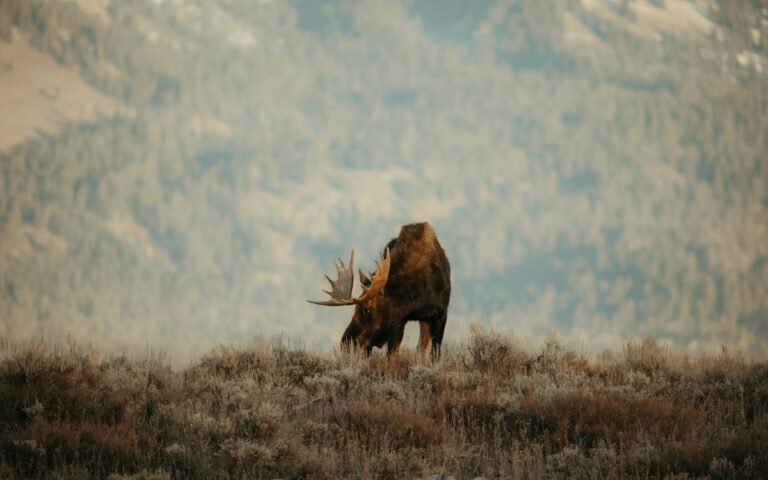
Lamar Valley, in the northeast corner of the park, is the best place in North America to spot wolves, bison, bears, and pronghorn. A small-group wildlife safari by jeep is one of the best ways to maximize your sightings on a day like this — guides know the animal patterns cold. It is a longer drive from the west entrance, so save it for longer summer days or a dedicated second visit. But if wildlife is your priority, it is worth the time.
Timing Tips
Yellowstone rewards early risers. The park is stunning at dawn, wildlife is most active in the early morning and around dusk, and parking at popular spots like Grand Prismatic fills up by mid-morning during peak summer months. Getting there before 8 AM makes a real difference.
Summer (July and August) is the most crowded period. June and September offer a sweet spot: most roads are open, the weather is excellent, and the crowds are noticeably thinner. Spring visits (May and early June) can be spectacular for wildlife viewing as animals return to lower elevations, but some roads and facilities are still opening for the season.
What to Bring
A day in Yellowstone deserves some preparation. Here is what we recommend:
- Food and water: Dining options in the park are limited and often crowded. Pack a full lunch and plenty of snacks. We have a full kitchen at The Barn — making your own food the night before is easy and a lot better than waiting in a cafeteria line.
- Layers: Yellowstone weather is famously unpredictable. Even in summer, temperatures can swing 30 degrees in a single afternoon. Bring a rain jacket and a warm mid-layer no matter what the forecast says.
- Binoculars: Essential for wildlife viewing. A decent pair of 8×42 binoculars will transform what you see.
- A physical map or downloaded offline maps: Cell service in Yellowstone is minimal to nonexistent in most of the park. Download Google Maps or a park-specific app before you leave Driggs.
- National Parks Pass (or entrance fee): Yellowstone charges a per-vehicle entry fee. If you plan to visit multiple national parks, an America the Beautiful annual pass pays for itself quickly.
- Bear spray: If you are hiking off the boardwalks, carry it. This is bear country. Rental options are available in West Yellowstone if you do not own one.
🗺️ Book These Experiences Near The Barn
- Small-Group Yellowstone Wildlife Safari by Jeep — Expert guides, small groups, and a jeep built for wildlife spotting. Departs from Jackson Hole, 45 min from The Barn.
- Full-Day Yellowstone Lower Loop Tour — Old Faithful, Grand Prismatic, geysers and wildlife — all the icons in one guided day.
- Yellowstone 2-Day Overnight Tour — For those who want to go deep — both loops, sunrise wildlife windows, overnight in the park.
Staying at The Barn as Your Base
A lot of Yellowstone visitors try to cram everything into a stay in West Yellowstone or Gardiner. Those are fine towns, but they do not offer much beyond park proximity. Staying at The Barn in Driggs gives you a genuinely comfortable home base — eight bedrooms, a full kitchen, space to spread out — with the bonus of being 1.5 hours from Yellowstone and 20 minutes from Grand Targhee.
For groups and families, that combination is hard to beat. You can do a Yellowstone day trip mid-week, spend the rest of your time skiing or hiking the Tetons, and never feel like you are living out of a hotel room. It is the kind of trip that sticks with people.
We are happy to help with planning if you have questions about timing, what to prioritize, or how to build a trip around a Yellowstone day. Reach out anytime — we love talking about this stuff.