When the snow finally releases its grip on Teton Valley and the rivers begin to clear, something magical happens. Hatches of insects emerge from the water, trout begin looking upward with predatory intent, and anglers from across the country converge on one of the West’s premier fly fishing destinations. The opening of fly fishing season transforms Teton Valley from a winter playground into an angler’s paradise—and whether you’re a seasoned caster or curious beginner, the waters near Driggs offer experiences that justify the early mornings and long drives.
Why Teton Valley is a World-Class Fly Fishing Destination
Fly fishing Teton Valley combines several elements that serious anglers seek: diverse waters, healthy trout populations, beautiful scenery, and manageable access. The region sits at the intersection of multiple river systems, each offering distinct fishing experiences within easy driving distance of Driggs.
What elevates Teton Valley beyond ordinary fishing destinations is the combination of wild and stocked trout, technical and forgiving water, and the sheer variety of hatches that keep fish looking up from spring through fall. From the challenging educated trout of the Henry’s Fork to the abundant populations of the South Fork, anglers find waters matched to their skill level and preferences.
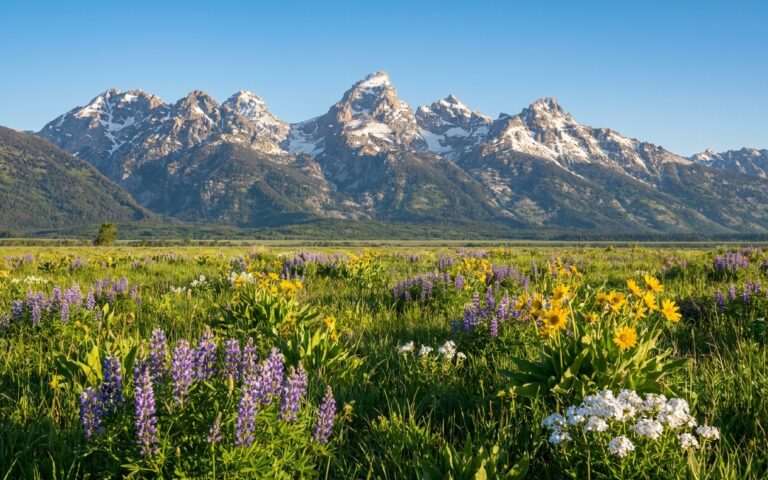
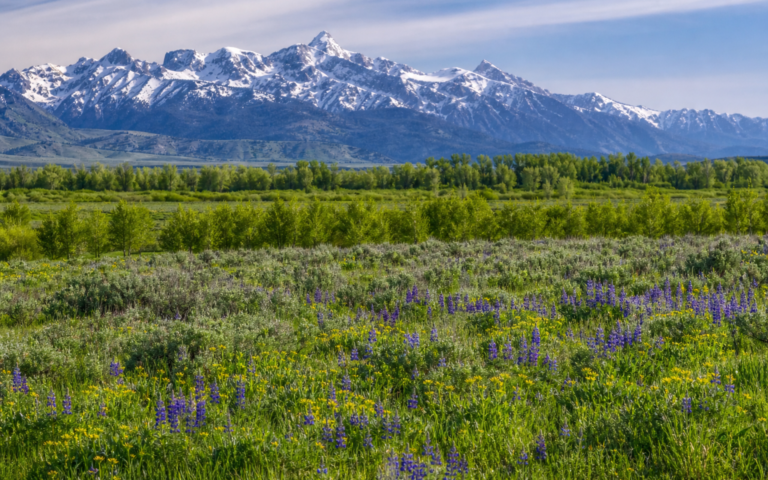
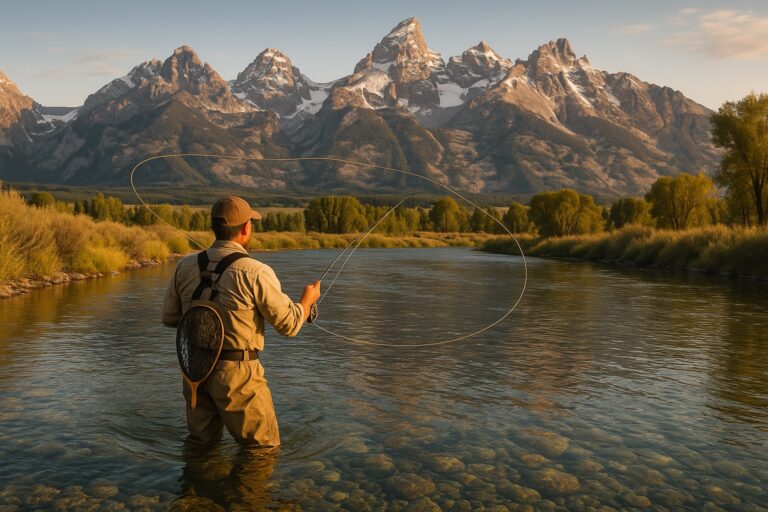
The scenery doesn’t hurt either. Casting dries to rising trout with the Tetons as backdrop creates moments that transcend mere fishing. It’s these combinations—great fishing in spectacular settings—that put Teton Valley on destination anglers’ maps.
The Teton River: Local Water with Big Rewards
Flowing through the valley that shares its name, the Teton River fishing experience offers accessibility without sacrificing quality. This river flows through private ranchland for much of its course, but public access points and walk-in opportunities provide plenty of fishing for those willing to do their homework.
The Teton supports healthy populations of rainbow, brown, and native cutthroat trout. While not as famous as the neighboring Henry’s Fork or South Fork, the Teton rewards anglers with less pressured fish and beautiful valley scenery. Spring hatches of blue-winged olives and midges get fish looking up, while summer brings the famous stonefly and green drake hatches.
For visitors staying in Driggs, the Teton offers the convenience of local water. You can fish for a few hours in the morning and return for lunch, or spend a full day exploring different sections. The lower river, below the reservoir, provides particularly good access and consistent fishing.
South Fork of the Snake: Trophy Trout Water
Just a short drive from Driggs, the South Fork of the Snake River represents some of the finest tailwater trout fishing in the American West. Below Palisades Reservoir, the South Fork flows through a beautiful canyon, offering 40+ miles of accessible, productive water.
The South Fork is renowned for its trophy trout potential. Rainbows and browns exceeding 20 inches are caught regularly, and the river produces legitimate trophy fish that make local headlines. The consistent water temperatures from reservoir release create stable conditions that allow trout to grow large and strong.
Access is excellent, with multiple boat ramps and wade-fishing access points. The river is drift-boat friendly, making guided float trips a popular option. Whether you prefer wading riffles or floating through deeper pools, the South Fork accommodates different fishing styles.
The dry fly fishing on the South Fork is legendary. From the famous salmonfly hatch in June through the microscopic trico hatches of late summer, anglers find consistent topwater action that makes every cast an opportunity.
Henry’s Fork of the Snake: Technical Fishing Paradise
If the South Fork offers abundance, the Henry’s Fork delivers technical challenge. This river, particularly the famous “Railroad Ranch” section near Island Park, is home to some of the most selective, educated trout in the world. These fish see every fly pattern ever tied and demand perfect presentations with appropriate imitations.
The Henry’s Fork tests anglers in ways that either frustrate or captivate. Long, delicate casts to visible trout. Size 22 and smaller dry flies on fine tippets. Perfect drag-free drifts over fish that have PhDs in identifying artificials. When everything comes together and a 20-inch rainbow finally eats, the satisfaction transcends the catch itself.
Beyond the technical water, the Henry’s Fork offers more forgiving sections suitable for intermediate anglers. The canyon sections below Ashton provide beautiful pocket water and riffles where presentation matters less than fly selection and basic reading of water.
When to Fish: Season Opening and Prime Times
Fishing season typically opens in March or April, depending on the specific water and regulations. Spring offers excellent opportunities as fish shake off winter lethargy and begin feeding aggressively on early hatches.
Spring (March-May): Pre-runoff fishing can be exceptional. Blue-winged olive hatches bring fish to the surface on overcast days. Nymphing produces consistent results as fish bulk up before spawning. The rivers run clear before the heavy snowmelt begins.
Runoff (Late May-June): High water from snowmelt makes most rivers unfishable. This is prime time for the Henry’s Fork below Island Park Reservoir, which remains fishable due to consistent release flows.
Summer (July-August): Prime season. Stonefly hatches, green drakes, PMDs, and evening caddis provide consistent dry fly opportunities. Warm weather makes wade fishing comfortable.
Fall (September-October): Cooling water triggers aggressive feeding before winter. Less crowded than summer. Beautiful fall colors provide backdrop.
Guided Fishing: Learning from Local Experts
For visitors new to Teton Valley waters, hiring a guide accelerates the learning curve dramatically. Local outfitters know which rivers are fishing well, what hatches are occurring, and where to find fish on any given day.
Guided trips typically include equipment, flies, lunch, and transportation to fishing locations. Float trips on the South Fork offer the most productive fishing with minimal hiking. Walk-and-wade trips work well on the Henry’s Fork and Teton River.
Beyond catching fish, guides teach valuable skills: reading water, proper casting techniques, and local entomology. Many visiting anglers book a guided day early in their trip, then apply what they learned to independent fishing later.
DIY Fishing: Licenses, Access, and Ethics
For anglers who prefer independent exploration, Teton Valley offers plenty of DIY opportunities:
Licenses: Idaho fishing licenses are available online or at local retailers. Non-resident licenses run approximately $100-150 for the season, with shorter-term options available. Check current regulations as they change annually.
Access: Public access points are marked and generally accessible via well-maintained roads. However, much of the river frontage is private. Respect property boundaries and use designated access points. The Idaho Fish and Game website provides detailed access information.
Regulations: Each river has specific regulations regarding catch limits, size restrictions, and fishing methods. Some sections are catch-and-release only. Know before you go.
Etiquette: Western trout rivers see significant pressure. Practice good stream etiquette: don’t crowd other anglers, yield the right of way to anglers moving upstream, and pack out everything you bring in.
Essential Spring Flies
Spring hatches dictate fly selection:
Blue-Winged Olives: Size 16-20 dry flies and emergers. The most consistent spring hatch on overcast days.
Midges: Size 18-22. Critical early season food source. Zebra midges and midge emergers produce when nothing else works.
Stonefly Nymphs: Size 6-10. Golden stoneflies and salmonflies begin hatching in late spring. Nymphs work before and during the hatch.
Baetis Nymphs: Size 16-20. Always present, always eaten. Have multiple weight options for different water depths.
Local fly shops provide current recommendations and often have hot flies tied by locals who know what’s working.
The Barn: Ideal for Fishing Groups
Fishing trips require specific accommodations that standard hotels struggle to provide. The Barn offers everything fishing groups need:
Gear Storage: Waders, boots, rods, and vests need space. The Barn’s garage and mudroom areas accommodate fishing equipment without cluttering living spaces. Let waders dry overnight without creating hotel-room chaos.
Early Departures: Fishing guides often meet clients at dawn. Multiple bedrooms and bathrooms mean early risers don’t wake the whole house. Kitchen access lets you grab breakfast before heading out.
Space to Relax: After standing in rivers all day, you need comfortable seating and room to decompress. Multiple living areas let different groups pursue different evening activities.
Strategic Location: Central to the Teton River, South Fork, and Henry’s Fork. No matter which water is fishing best, you’re positioned to access it quickly.
Post-Fishing Recovery: Hot tub for sore muscles. Comfortable beds for early morning energy. Space to review photos and stories from the day’s fishing.
Plan Your Fly Fishing Adventure
Teton Valley’s rivers offer fly fishing experiences that rival more famous destinations without the crowds. Whether you’re seeking the technical challenge of the Henry’s Fork, the trophy potential of the South Fork, or the accessible beauty of the Teton River, you’ll find waters that match your skills and aspirations.
Ready to cast to rising trout with the Tetons as your backdrop? Book your fishing trip stay at The Barn and discover why anglers return to these waters year after year.